Books & essays.
Long-form writing that gives language to physical, sexual, psychological, financial, technological, legal, and institutional abuse of men.
Books, essays, speaking, and education
Abuse of men is abuse.
Invisible Harm brings abuse of men into view through serious writing, public conversation, and informed professional education. It names physical, sexual, psychological, financial, technological, legal, and institutional abuse without ridicule, euphemism, or gender-based assumptions.
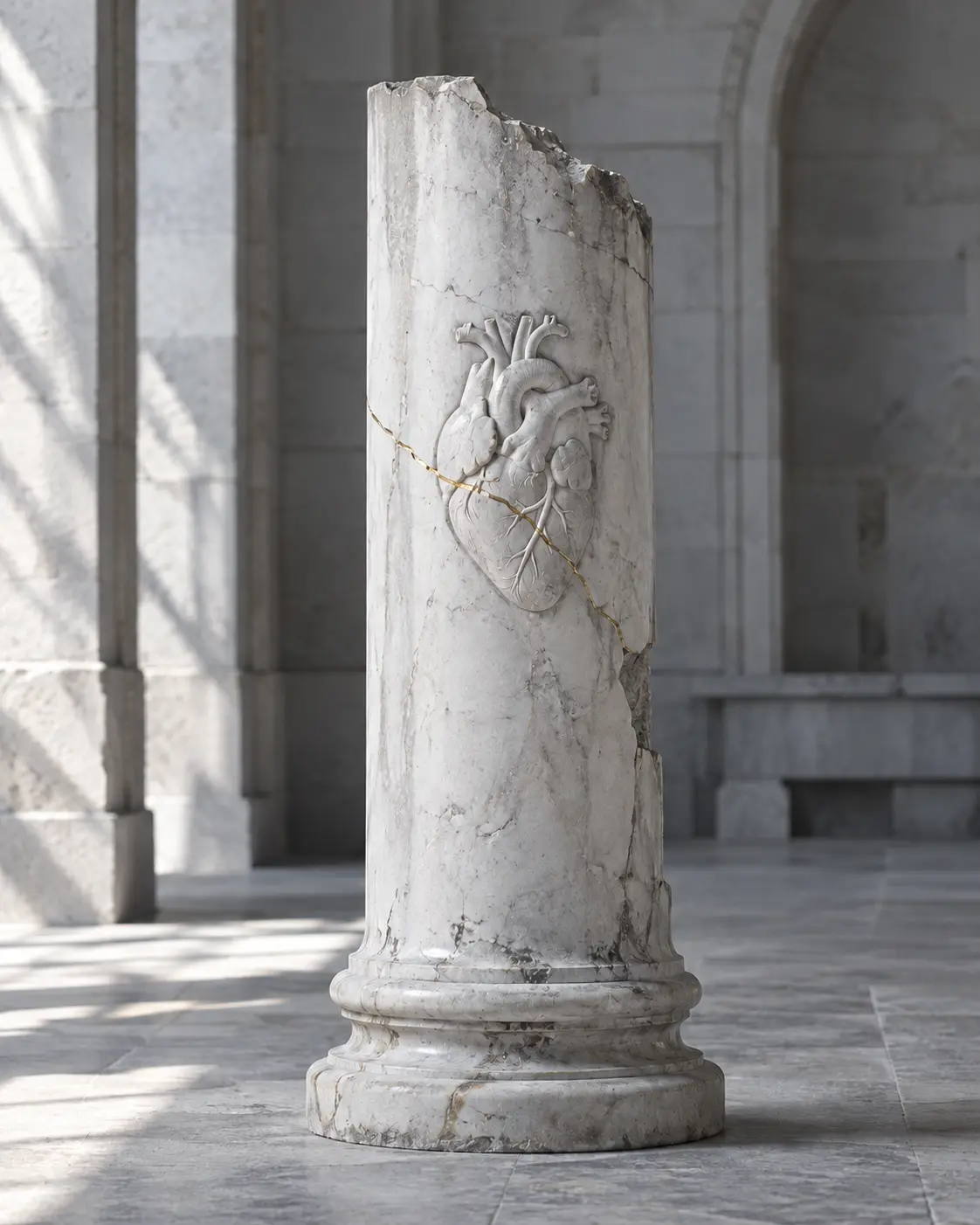
 A symbol of injury, endurance, truth, and the possibility of repair.
01 / Understanding the harm
 DON’T RESPOND WITH VIOLENCE
It does not become less serious because the person harmed is male, physically strong, professionally successful, or still functioning. Men experience physical, sexual, psychological, financial, coercive, technological, legal, and institutional abuse.
They may be hit, injured, sexually violated, stalked, humiliated, isolated, financially controlled, threatened, falsely accused, or terrorized through their children. Many remain silent because they fear ridicule, disbelief, retaliation, arrest, or the loss of their children, home, reputation, livelihood, or safety.
Some still love their partners. Some hope the relationship will change. Others have been isolated, financially trapped, or left with nowhere safe to go. Silence does not mean abuse is absent. Staying does not mean consent.
This work is written for men and for the people who love them, including mothers, fathers, sisters, brothers, nieces, nephews, and friends. It also asks professionals and institutions to assess conduct, context, injury, coercion, and risk without gender-based assumptions.
Find a starting pointCreate distance from the confrontation when it is safe to do so. Go to a safer place and seek medical attention for injuries.
Contact someone you trust and seek qualified local abuse, medical, legal, or mental health support.
Follow court orders and preserve relevant information only through safe and lawful means. Do not take matters into your own hands.
Contact appropriate local emergency or medical services. Nothing here asks you to remain in danger or surrender a lawful right to protect life. Laws differ by location, so obtain guidance from qualified local professionals.
02 / About Invisible Harm
Invisible Harm is the commercial publishing and merchandise division of APIC Reflection Center, LLC. It is the home of Dr. Alina Stelzer’s books, essays, publication, speaking, educational resources, and future campaign materials related to abuse of men.
Publishing and educational work by Dr. Alina Stelzer
Long-form writing that gives language to physical, sexual, psychological, financial, technological, legal, and institutional abuse of men.
Public and professional conversations that use direct, accurate language and examine abuse without ridicule or gender-based assumptions.
Carefully developed educational campaigns, printed materials, and future apparel that carry the message with dignity.
Invisible Harm is not the future Invisible Harm Movement nonprofit. Book purchases and any future product sales are commercial transactions, not charitable contributions. This site is also not an emergency service, individualized clinical or legal advice, or a platform for public accusations.
03 / The book
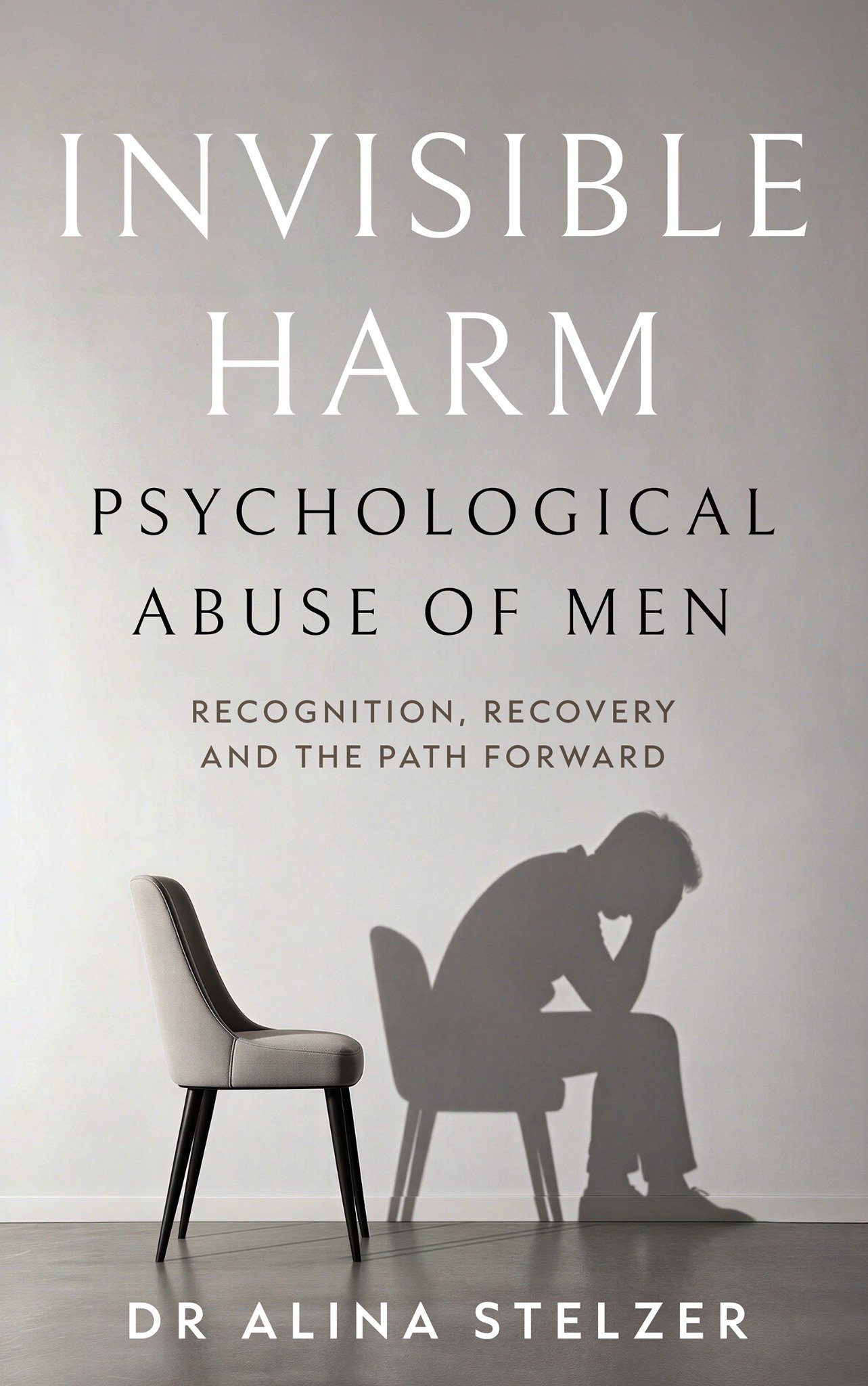
Psychological Abuse of Men: Recognition, Recovery and the Path Forward
An examination of the patterns that can be difficult to name, the reasons men remain silent, and the possibilities for recognition, recovery, and prevention. Written for men, the people who love them, and the professionals who need a fuller framework.
Order Invisible Harm Upcoming booksUpcoming releases
New titles from Dr. Alina Stelzer will be announced here as they are scheduled for release.
Future titles will appear here. To hear about new releases first, follow Dr. Alina’s publication on Substack.
Get release newsDr. Alina’s publication
Essays examine abuse of men, barriers to disclosure, family and institutional responses, safety, health, recovery, and prevention. The Men We Do Not See introduces this work.
05 / The work
Invisible Harm brings together publishing, public speaking, professional education, and carefully designed campaigns under one dignified commercial identity.
Research-informed writing that names abuse of men, examines barriers to recognition, and supports recovery and prevention.
Publishing nowConference presentations, podcasts, panels, and public conversations for audiences prepared to examine the subject seriously.
Invite Dr. Alina to speakEducational resources for clinicians, attorneys, courts, employers, educators, and other professionals who encounter abused men.
For clinical, legal, and community audiencesRefined visual materials and future apparel that carry the Invisible Harm identity into selected educational campaigns and events.
Future campaign collectionA commercial creative identity
The emblem represents injury that may not be visible, the dignity of the person carrying it, and the possibility of endurance and repair. It connects the book, publication, speaking, and future campaign materials.
Commercial work, clearly identified
Invisible Harm is a division of APIC Reflection Center, LLC. Books and any future products are commercial offerings. They are separate from the future Invisible Harm Movement nonprofit and are not charitable contributions.
Explore the book Apparel and campaign products will be introduced only after the collection and purchasing policies are ready.Dr. Alina Stelzer’s publication
Essays about abuse of men, book updates, professional reflections, and new educational resources are delivered directly to subscribers.
06 / Resource explorer
Explore abuse of men by form, audience, safety concern, and stage of recovery. These introductory resources are for men, the people who love them, and the professionals who serve them.
No resources match those filters.
These educational materials are a starting point, not an individualized assessment or emergency service. If you are in immediate danger, contact local emergency services. Support options and legal processes differ by country and region.